
Milimani Drilling East Africa
Sustainable Water Infrastructure
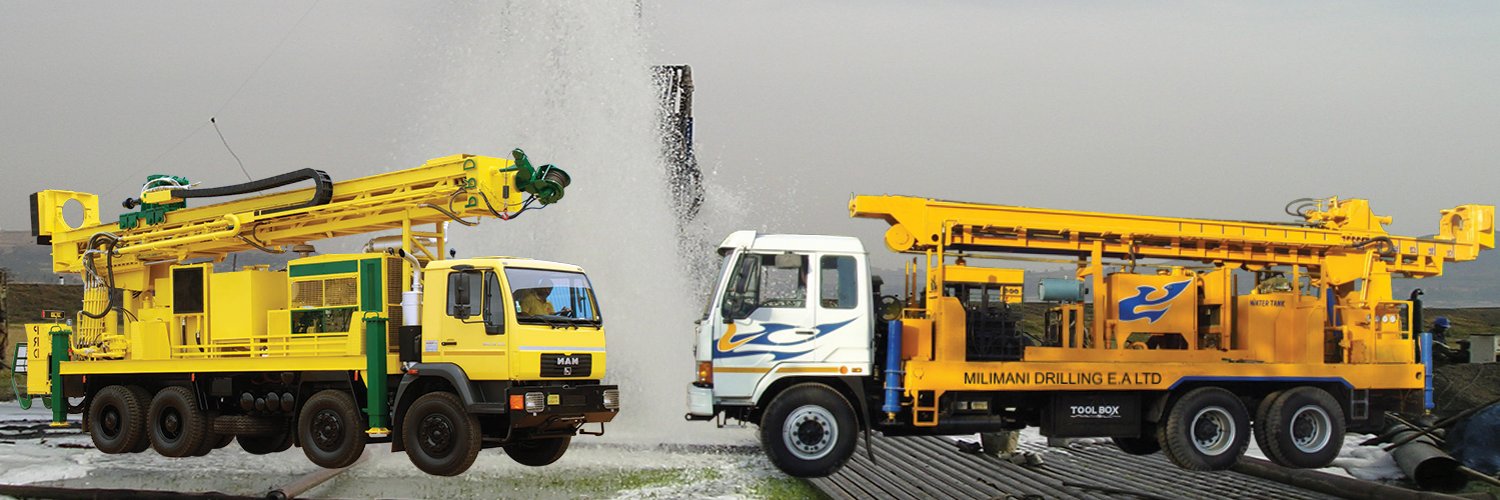
Comprehensive guide to borehole water testing and purification: reverse osmosis, defluoridation, iron filtration, water softeners, and KEBS potable standards.
While groundwater is often naturally filtered through geological formations, chemical minerals and microbial pathogens can compromise safety. Professional laboratory water testing and targeted filtration ensure your borehole water satisfies Kenya Bureau of Standards (KEBS) and WHO potable guidelines.
Clear water is not necessarily pure water. Underground aquifers dissolve minerals from surrounding rocks, and in many regions of Kenya, natural groundwater contains elevated levels of dissolved salts, fluoride, iron, manganese, or hardness. Testing raw borehole water before selecting treatment equipment ensures you only invest in systems that address the actual chemical and biological profile of your well.
Prevalent throughout the Great Rift Valley (Nakuru, Baringo, Naivasha) and volcanic highlands (Nairobi, Kiambu, Machakos, Kajiado), fluoride frequently exceeds the KEBS limit of 1.5 mg/L. Chronic consumption leads to dental fluorosis (teeth browning) in children and debilitating skeletal fluorosis in adults.
In arid ASAL counties (Garissa, Wajir, Mandera, Turkana) and coastal belts (Mombasa, Kilifi, Kwale), groundwater often exhibits high salinity and TDS exceeding 1,000–3,000 mg/L, making the water brackish, corrosive to metal plumbing, and unpalatable for human and livestock consumption.
Common in Western Kenya, volcanic soils, and basement areas, dissolved ferrous iron oxidizes upon contact with air, turning reddish-brown. It stains sanitary fixtures, discolors laundry, clogs drip irrigation emitters, and imparts a bitter metallic taste.
High concentrations of calcium and magnesium carbonates cause scaling in solar water heaters, boilers, heat pumps, and household plumbing, drastically shortening equipment lifespan and increasing energy bills.
Shallow wells or boreholes with compromised surface seals can harbor bacterial contamination from nearby pit latrines, agricultural livestock, or surface run-off, causing waterborne illnesses including amoebiasis, typhoid, and cholera.
Reverse osmosis forces pressurized raw water through semi-permeable membranes with microscopic 0.0001-micron pores. It removes up to 99% of dissolved mineral salts, heavy metals, fluoride, and salinity, producing pure, premium bottled-standard drinking water for schools, hospitals, hotels, and residential estates.
For water supplies with acceptable general mineral balance but elevated fluoride, adsorption media such as activated alumina or bone char selectively extract fluoride ions without stripping beneficial calcium and magnesium minerals.
Catalytic filter media oxidize dissolved iron and manganese into solid particles, which are then trapped in multi-media filter beds and automatically discharged during scheduled backwash cycles.
Ion-exchange resin tanks exchange calcium and magnesium hardness ions with harmless sodium ions, eliminating limescale formation and protecting expensive heat pumps, solar water heaters, and domestic plumbing fixtures.
Chemical-free UV sterilizers neutralize 99.99% of bacteria, viruses, and cysts at point-of-entry without altering water taste or odor. For municipal and large institutional networks, proportional chlorine dosing pumps provide continuous residual disinfection throughout distribution piping.